Source Adjustable Neck Brace for Cervical Support
Source 30 adjustable neck brace options for cervical support, shoulder stabilization, and vertebra care. Compare features like CE and ISO certifications, polyester-cotton materials, and customization availability to find the right external fixator for your needs; compare the available evidence and request quotations based on your requirements.
Key considerations
Products List

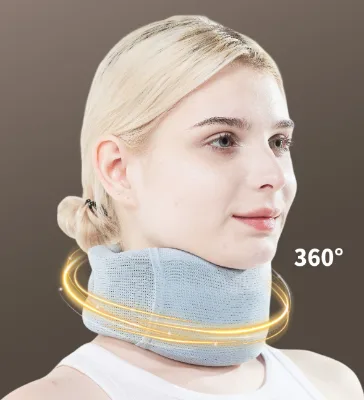


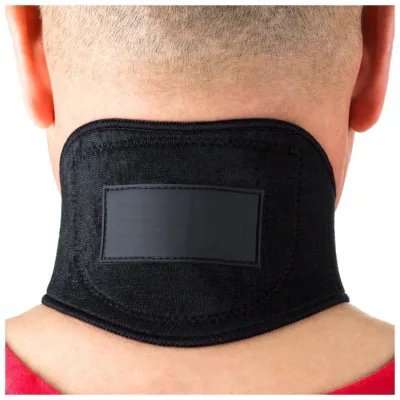

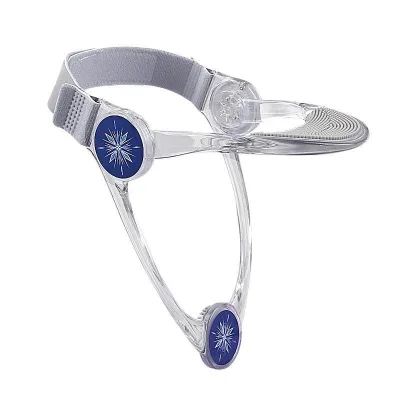
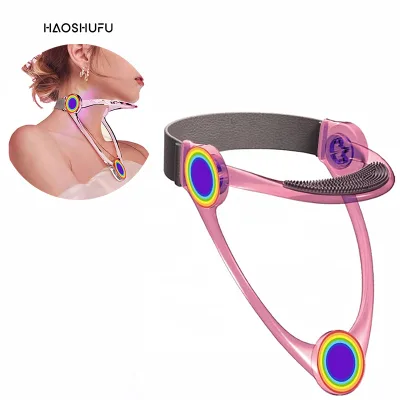


Comprehensive Sourcing Guide
Neck Brace Sourcing Guide
Procuring adjustable cervical collars requires distinguishing between general orthopedic support and specialized external fixators designed for fracture stabilization. The market offers products ranging from simple polyester and cotton blends to complex units with specific model numbers like KB-JZ-E19 or HF CC01. Buyers must carefully align their clinical needs with the observed product types, ensuring the selected brace matches the intended application for spinal support, shoulder, or neck fixation without assuming universal features across all listings.
Commercial terms vary significantly, with minimum order quantities observed between one unit and 500,000 units depending on the supplier and customization level. While some listings indicate a standard MOQ of 10 units for single-item sales, others require bulk commitments of 5,000 units for customized branding. Sourcing strategies must account for these divergent thresholds, as the unit price range spans from $0.19 to $140, necessitating a clear definition of volume requirements before engaging with potential vendors to secure appropriate pricing tiers.
Product Scope and Observed Listing Signals
The available inventory includes adjustable cervical collars primarily categorized under orthopedics and external fixators, with specific models designed for fracture fixation and deformity correction. Observed attributes indicate that these devices are intended for adult use and target the vertebra, chest, and spinal regions. Buyers should note that while some listings specify an LCD display, the majority of the observed neck braces are without one, focusing instead on mechanical adjustment and material composition like polyester or cotton blends.
Color options and packaging methods also present a wide spectrum of choices, ranging from white, black, pink, and grey to grey-blue variations. Packaging is not uniform, with some suppliers utilizing master cartons containing 60 pieces, while others offer zip bags or standard cartons for single items. This variability means that procurement teams must verify the specific packaging standard and color availability for each order, as the "Uni" size specification does not apply to all models, which may instead offer S, M, and L sizing options.
Technical Specifications to Verify
Technical due diligence must focus on the specific model numbers and size specifications to ensure compatibility with patient requirements. The product data reveals distinct models such as KB-JZ-E6, KB-JZ-E5, and KB-JZ-E13, each potentially carrying different structural properties. Buyers should confirm whether the product adheres to a "Uni" size or requires specific S, M, and L measurements, as the weight of the unit, observed at 0.82kg for some models, may influence patient comfort and mobility during extended wear.
Material composition and sterilization status are critical technical parameters that directly impact clinical safety and usage protocols. While some listings indicate the use of polyester and cotton, others specify that the product is non-sterile and lacks ethylene oxide sterilization. Procurement teams must verify if the specific unit requires post-purchase sterilization or if it is supplied ready for immediate use, ensuring that the material properties align with the intended medical environment and that the weight and dimensions match the prescribed therapeutic needs.
Compliance and Safety Documentation
Regulatory compliance is a primary concern, with observed certifications including CE, ISO, and ISOCE, alongside specific medical device standards like CE/ISO13485. Buyers must verify that the supplier provides valid certificates for the specific model being ordered, as the presence of a certification does not guarantee that every listed product in a catalog holds the same status. It is essential to request current documentation to confirm that the neck brace meets the regulatory requirements of the destination market before finalizing any purchase agreement.
Quality assurance documentation should also include details on the quality guarantee period, which is observed to be two years for certain listings. This warranty period is a significant indicator of manufacturer confidence and product durability. Procurement teams should ensure that the guarantee covers material defects and structural failures, and that the supplier clearly defines the scope of this coverage. Additionally, verifying the origin of the product, such as Zhejiang, China, helps in assessing the supply chain stability and the regulatory framework under which the device was manufactured.
Cost Drivers and Commercial Terms
Pricing is heavily influenced by customization options, with the ability to print logos and accept OEM requests often commanding different price points. The observed price range of $0.19 to $140 suggests that basic, non-customized units are significantly cheaper than those requiring specific branding or specialized features. Buyers must clarify whether the quoted price includes logo printing services, as some listings explicitly state "With Logo Printing" while others specify "Without," which can drastically alter the total cost of ownership.
Minimum order quantities (MOQ) act as a major cost driver, with thresholds ranging from a single unit to 500,000 units. High-volume orders may benefit from lower per-unit costs, but the initial capital outlay increases substantially. Conversely, low-MQO suppliers allow for smaller test orders but at a higher unit price. Sourcing strategies should balance the need for inventory flexibility with the economic benefits of bulk purchasing, ensuring that the chosen MOQ aligns with the organization's storage capacity and cash flow constraints.
Supplier Qualification and Quality Control
Supplier qualification should prioritize manufacturers who demonstrate a clear track record in producing orthopedic devices with verified certifications. The presence of specific model numbers and detailed specifications suggests a level of manufacturing maturity, but buyers must still validate the supplier's production capabilities. It is advisable to request samples to verify the physical attributes, such as the weight and material feel, against the provided specifications to ensure consistency before committing to a larger order.
Quality control processes must be scrutinized, particularly regarding the condition of the product, which is listed as "New" in most cases. Buyers should inquire about the inspection protocols used to ensure that the final product meets the stated standards, such as the UNI standard or specific model requirements. Additionally, verifying the supplier's ability to handle custom orders, including logo printing and specific packaging like master cartons or zip bags, ensures that the final delivery meets the logistical and branding requirements of the buyer.
Long-Term Procurement Checks
Establishing a long-term partnership requires regular audits of the supplier's ability to maintain consistent quality and certification status over time. The two-year quality guarantee period provides a baseline for performance expectations, but ongoing monitoring is necessary to ensure that the supplier continues to meet these standards. Buyers should implement a schedule for periodic re-verification of certifications and product samples to detect any drift in quality or changes in manufacturing processes that could affect patient safety.
Supply chain resilience is another critical factor for long-term procurement, especially given the variability in lead times and production locations. While the origin is listed as China, specifically Zhejiang, buyers should assess the supplier's capacity to handle fluctuations in demand and potential logistical disruptions. Developing a diversified supplier base and maintaining clear communication channels regarding production schedules and inventory levels will help mitigate risks and ensure a steady supply of essential orthopedic support devices.
FAQs
What sizes are available for adjustable cervical collars?
Available sizes include S, M, and L, and some models are offered in a universal or uni size that fits most adults. Because sizing affects both comfort and immobilization, buyers should confirm the size breakdown per carton before ordering. Many listings pack 60 pieces per master carton, so check how sizes are distributed within each carton.
Which certifications do the listed neck brace products carry?
The listed products reference CE and ISO certification, and some listings also state ISO13485 or CE/ISO13485. Certification claims can vary by listing, so buyers should request valid certificate copies from the supplier before placing an order. This helps confirm that the collars meet applicable medical device requirements in the destination market.
Can the neck brace be customized with a logo or specific color?
Yes, customization is available, and many listings accept OEM orders with logo printing. Color options commonly include white, black, pink, grey, and grey-blue depending on the model. Buyers should confirm which customization options apply to the specific model they want, as minimum order quantities and sample approval steps may differ between listings.
What material is used for these adjustable cervical collars?
The listed collars are made from polyester and cotton, a combination that provides firm support while remaining comfortable against the skin. The material is generally easy to wash, which matters for hygiene during repeated use. Buyers should ask for material specifications and care instructions for the exact model before confirming a bulk order.
How is the neck brace packaged for shipment?
Packaging varies by listing: some products are packed in zip bags, while others use master cartons or standard cartons. A common packing standard is 60 pieces per carton, and selling is done by single item. Confirm carton dimensions, gross weight, and pieces per carton with the supplier so freight costs can be estimated accurately.
What is the typical minimum order quantity for neck braces?
Minimum order quantities vary widely across listings, from as low as 10 pieces for some collar models to 5,000 pieces for others. Lower MOQs usually apply to standard models, while customized or logo-printed orders may require higher volumes. Always confirm the MOQ for your chosen model, size mix, and customization level directly with the supplier.
Which conditions does this type of cervical collar support?
The listed products are orthopedic supports used for fracture fixation and correcting deformities, with the applicable part being the spinal region, including the cervical area. They help relieve pain associated with neck conditions. Severity and diagnosis vary, so medical guidance should determine whether a soft adjustable collar is appropriate for a specific patient.
Are the neck braces supplied sterile, and what is the shelf life?
The listed collars are non-sterile and are supplied without ethylene oxide sterilization, which is typical for external orthopedic supports. Some listings state a quality guarantee period of two years. Buyers should store the products in dry conditions and confirm the exact guarantee period and storage requirements with the supplier for the chosen model.